Prishtina
PRN airportKosovo’s main hub; buses run roughly every half hour. From the airport you transfer near Fushë Kosovë.
Plan your visit
How to reach Gjakova, where to stay in the old town, when to come, and the halal and prayer practicalities — a calm, practical guide for an Ottoman-heritage trip.
Gjakova has no airport of its own; most travellers arrive by bus from Prishtina or fly into Tirana. The city sits on the Dukagjin plain in western Kosovo — an easy hop from Prizren and Peja, too.
Kosovo’s main hub; buses run roughly every half hour. From the airport you transfer near Fushë Kosovë.
A daily Tirana-airport → Gjakova bus, run by several operators. Often the cheapest flights from Europe.
Frequent service; an easy add-on if you’re touring the south-west.
Roughly every 15 minutes; the gateway to the Rugova gorge and the Accursed Mountains.
On arrival the centre is walkable — you won’t need a car. Pay in euro cash; small notes are handy for the bazaar, buses and guesthouses.
Gjakova has warm, dry-ish summers and cold, snowy winters. The graph shows the shape of the year — temperature as a band, monthly rainfall as bars.
Late May–June and September are the sweet spots: warm, comfortable for walking, and easy to book. July–August is hottest (30 °C+) and busiest — partly the diaspora-return season, when foreign-plated cars fill the town — so reserve well ahead. Winter is cold and snowy: fine for a short, atmospheric stay.
Green, mild and in blossom; late spring is ideal for walking the bazaar.
✓ Sweet spotHot and lively but the busiest — book accommodation well ahead.
Warm, calm and golden; September is arguably the best month of all.
✓ Sweet spotCold and snowy, with short days — but quiet, atmospheric streets.
The most fitting choice for an Ottoman-heritage trip is to stay inside the living history — a restored kulla (the traditional stone tower house) or a family-run bujtina, clustered around the old town and the Grand Bazaar, walkable to the Hadum Mosque. All of those below are family-run and alcohol-free.
Best for an authentic Ottoman-era stay
A genuine centuries-old kulla, warmly run by its family; self-catering kitchen, about five minutes’ walk from the bazaar.
Best old-town hotel
Steps from the Clock Tower in the historic core — quiet and spotless, hotel comfort with bazaar immersion.
Best value guesthouse
Hosted like staying with your grandparents; simple, clean, on a quiet street under ten minutes from the bazaar.
Best for cooking your own halal meals
Central apartments with kitchens and private parking — full control over what you eat.
Most convenient on arrival
Modern and comfortable, ~15 minutes’ walk to the old town but close to the bus station — easy if you arrive late.
Ratings, prices and details change — verify before booking. One honest heads-up: the much-photographed Hotel Çarshia e Jupave is striking, but it runs a wine bar and restaurant, so it is left off this list; you could stay and simply skip the bar, but the kulla guesthouses are cleaner fits.
This is the easy part. Gjakova is a Muslim-majority city in a country that is about 96% Muslim, so the defaults work in your favour.
Meat is overwhelmingly halal by default and pork is rare, confined to a few non-Muslim-oriented spots. The thing to watch is not the meat — it is that Kosovo’s café culture means alcohol is served in many restaurants and cafés.
Stick to the bazaar’s traditional grills (qebaptore), bakeries (furra) and family restaurants and you are on safe ground. Self-catering removes all doubt.
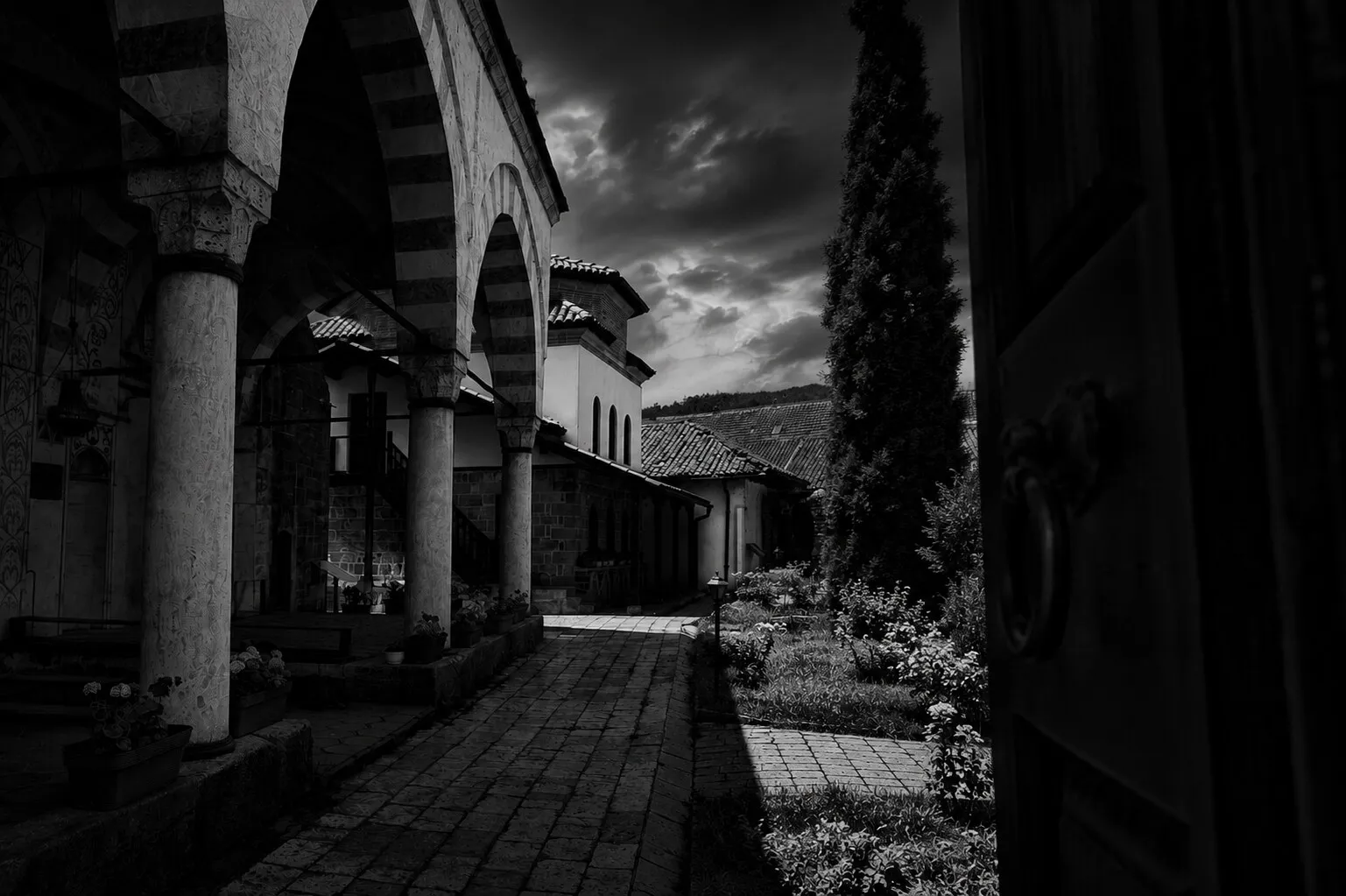
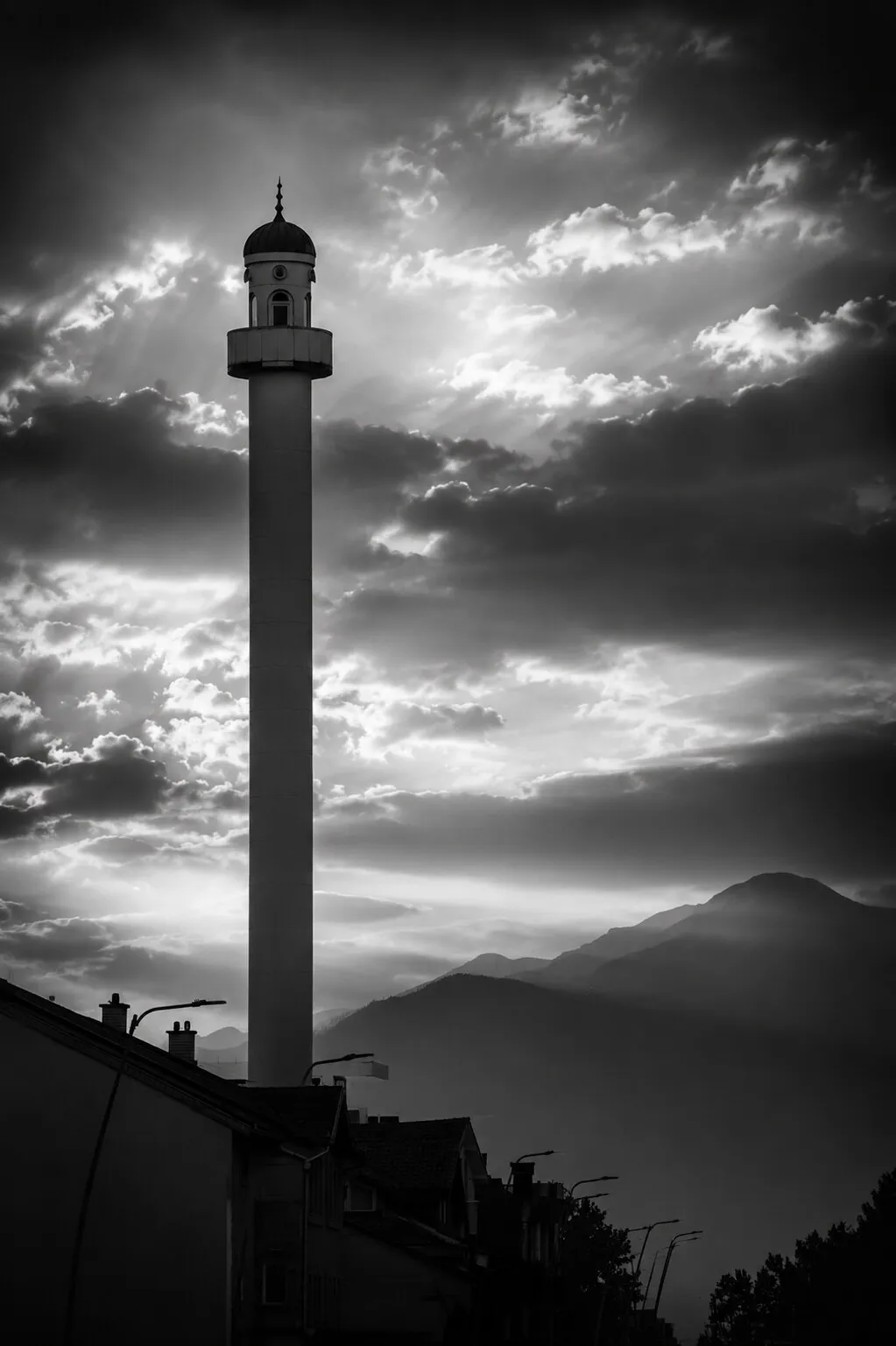
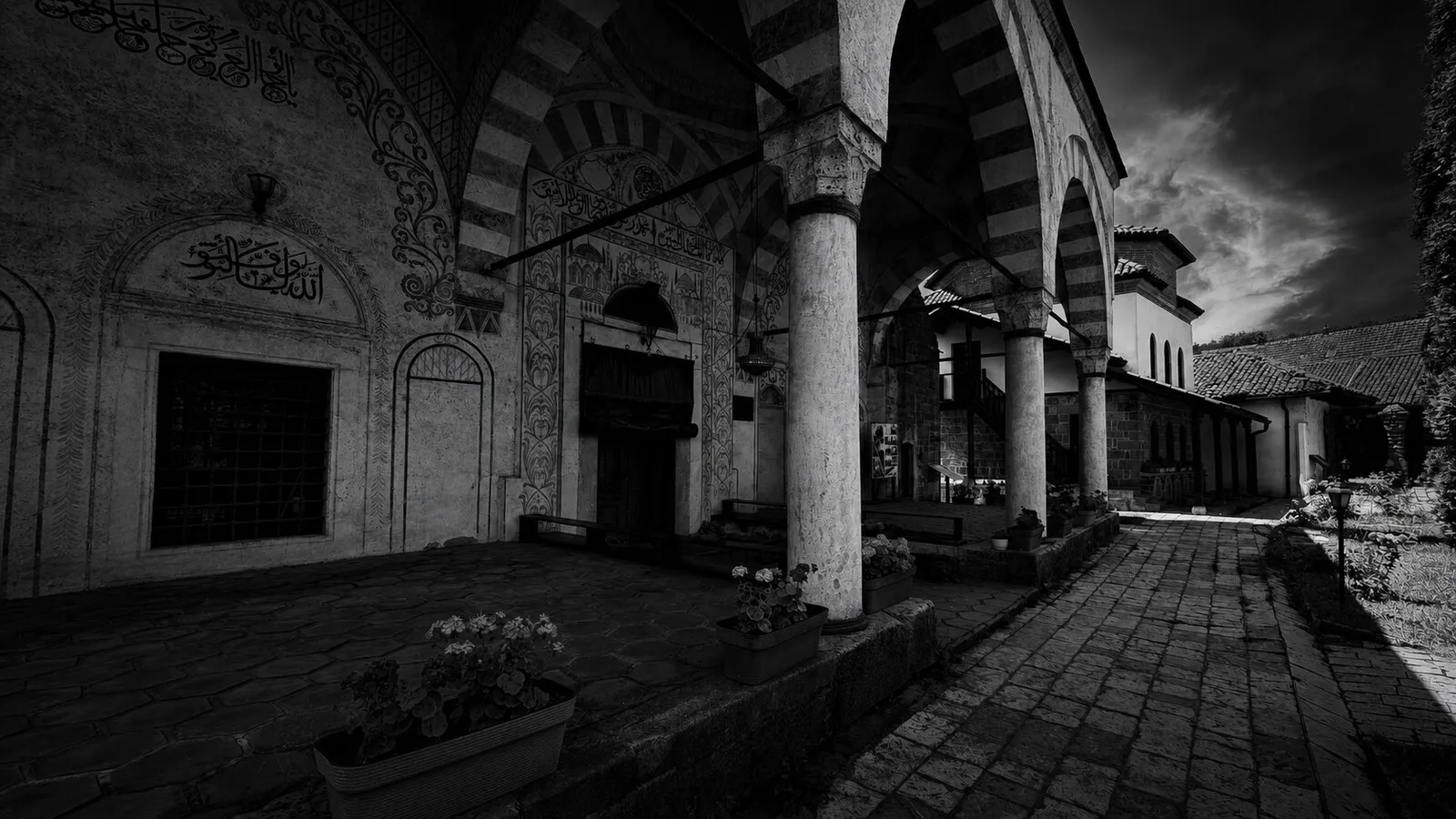
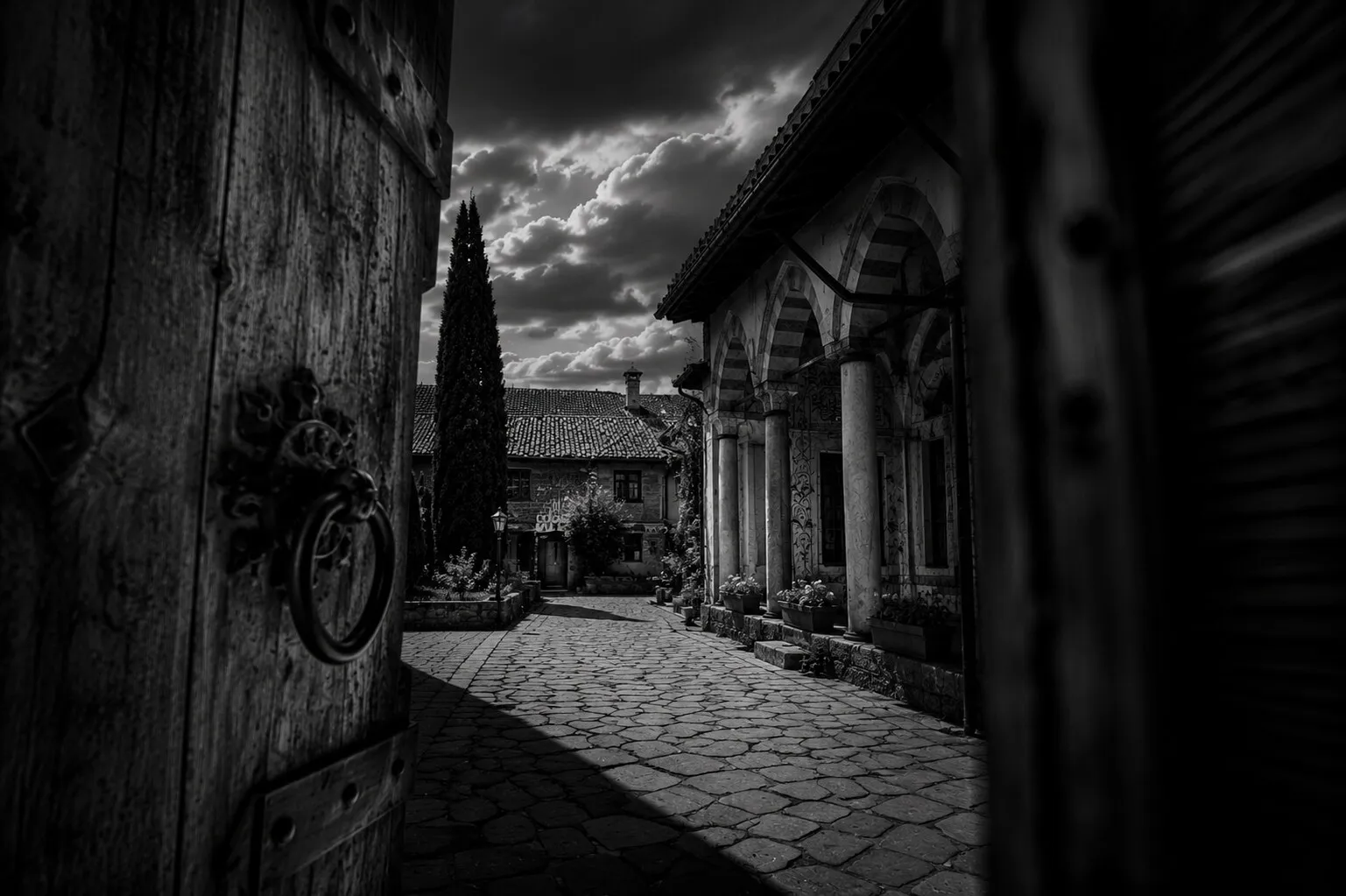
The Hadum Mosque in the Grand Bazaar is the central congregational mosque and your natural spot for Jumu‘ah and the daily jama‘ah. Mosques are plentiful across the old town, ablution facilities are standard, and the adhan is publicly audible, so you won’t need to hunt for prayer times.
At about 42° N the summer schedule means an early Fajr and a late Isha — but nothing like the extreme high-latitude timings of northern Europe.
The euro is used everywhere, cash-first. Carry small notes for the bazaar, buses and guesthouses; card acceptance is patchy in the old town.
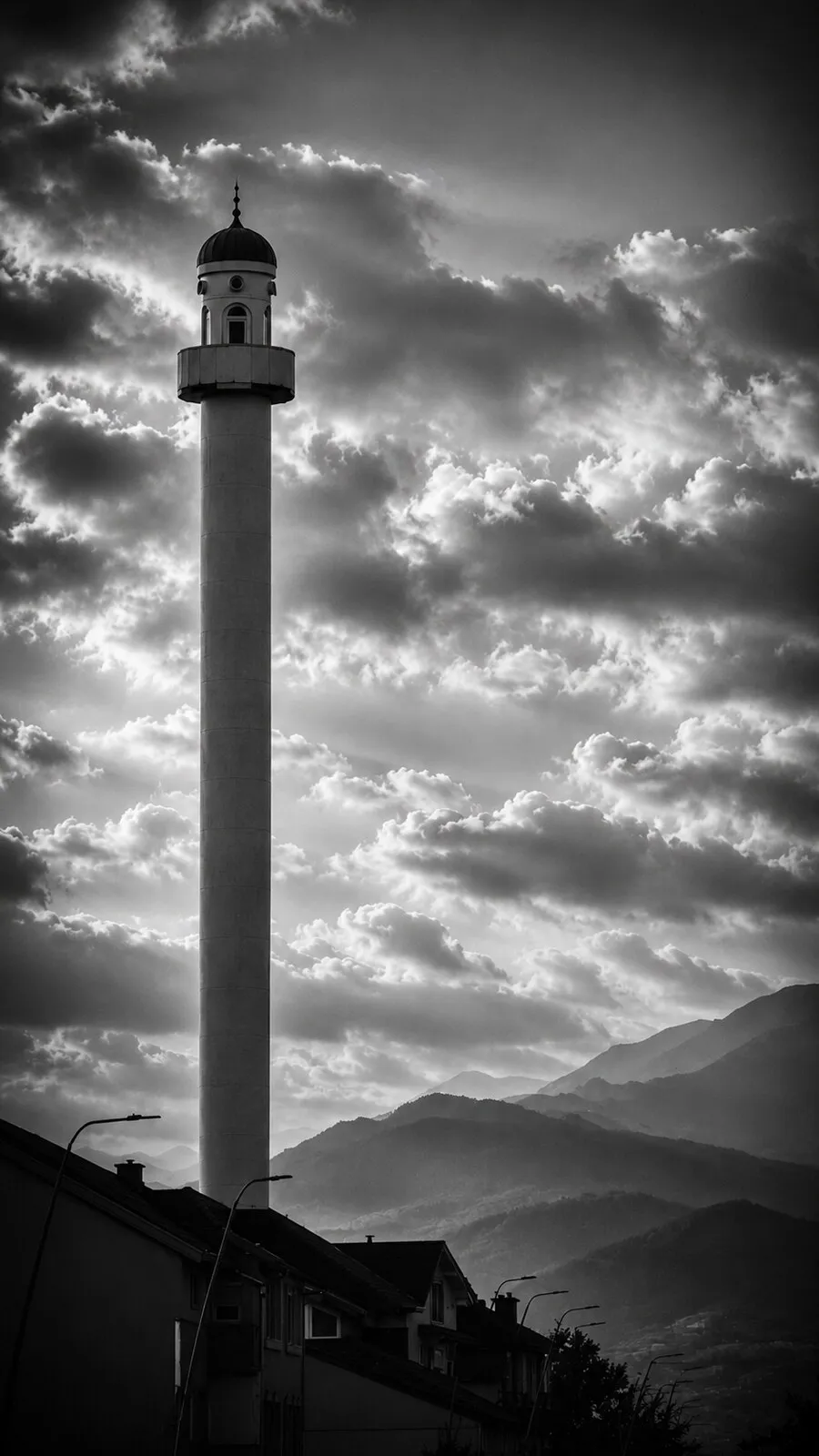
The old town is dense with mosques, the Hadum at its heart — and newer ones rise in the quarters beyond it. Tap any marker for its name; the Hadum is shown in terracotta, the rest in brass.
An interactive map — scroll or pinch to zoom, drag to pan. Newer mosques such as the Xhamia e Qylit sit north of the historic core.