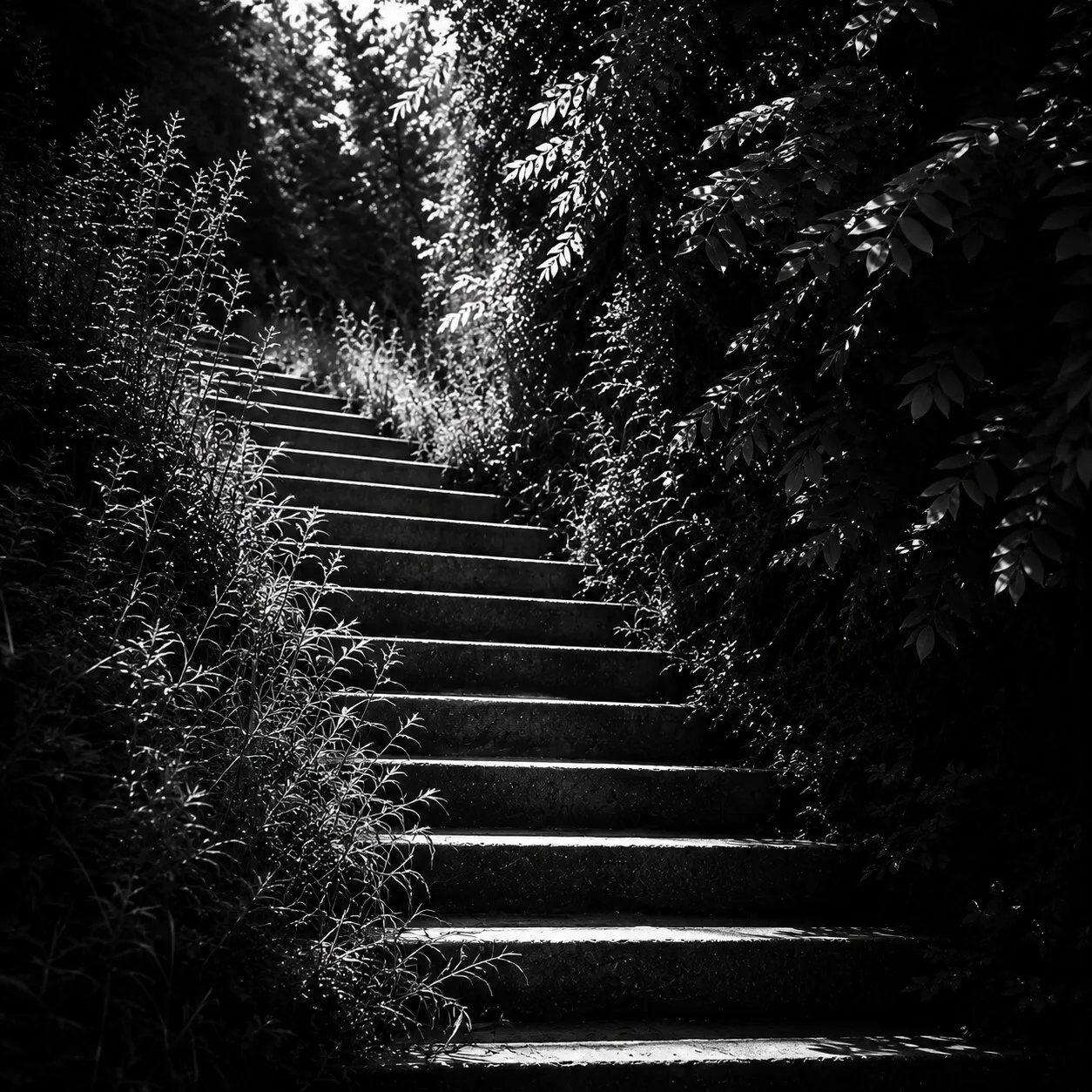
An unofficial guide
About this guide
A personal, unofficial guide to Gjakova's old town — its bazaar, its mosques, and the Ottoman and Islamic past that shaped them.
This is a slow guide to Gjakova, a city in western Kosovo whose old culture still lives in its bazaar, its mosques, and the stone houses of its highland hinterland. It lingers on the old town in particular, and on the Ottoman and Islamic heritage that gave the city its form.
Rather than chase every attraction, the guide moves carefully: a few places, told well, set against a single thread of history. The aim is to help you read the old city the way its craftspeople did — patiently, and with respect for what endured.
Why Gjakova
A city that has remembered itself
A flourishing and attractive town consisting of 2,000 houses, all built of stone with roofs and gardens … two richly adorned congregational mosques, several prayer-houses, some khans with leaden roofs, a delightful bathhouse, and about 300 shops like nightingale-nests.
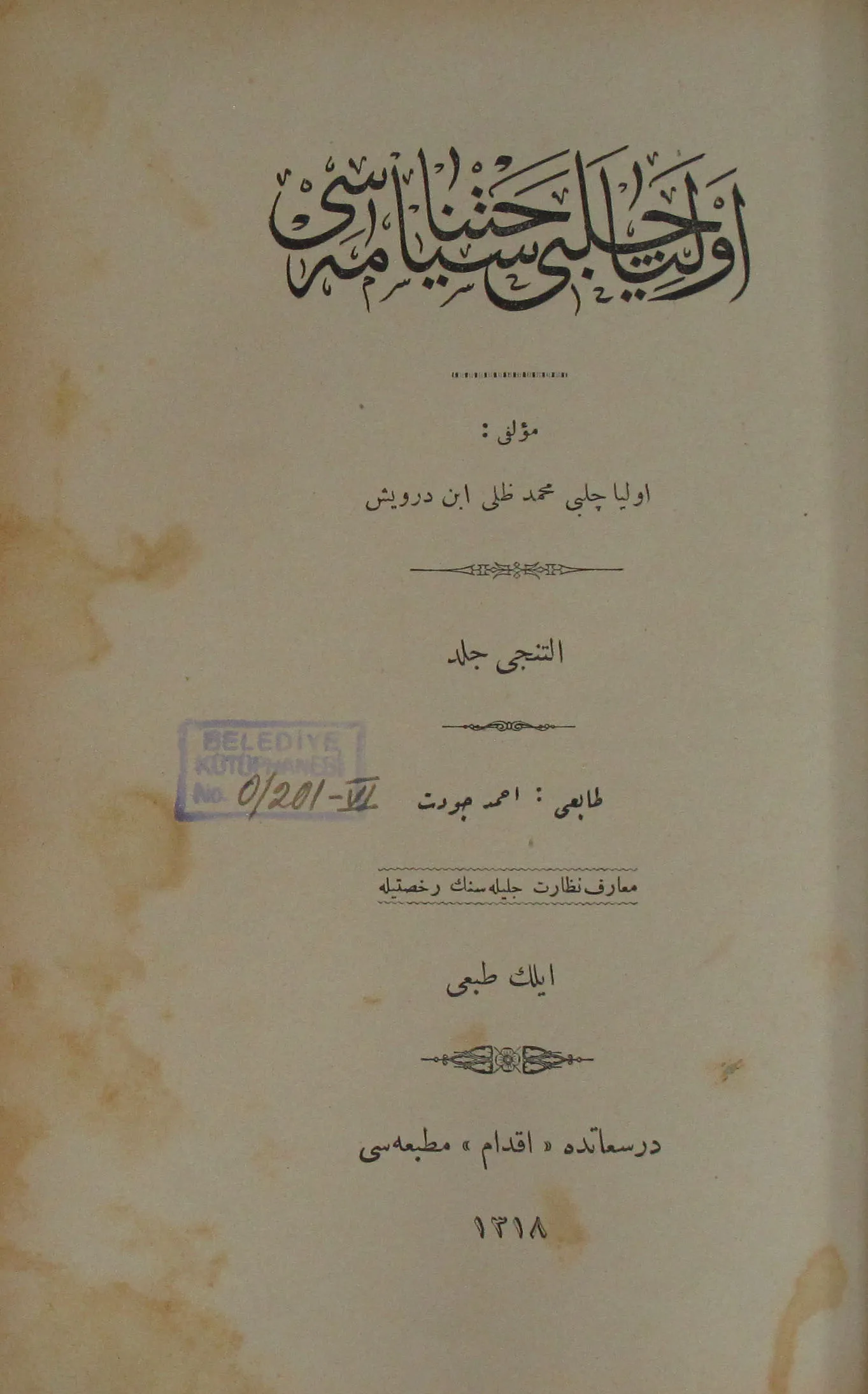
Those 300 shops are the Grand Bazaar — already a century old when the traveller counted them, alive with “a thousand kinds of craft.” In a single week in 1999 most of it burned; it was raised again, shop by shop, on the very lanes you can still walk. Beside it stood the Hadum Library, whose shelves held a literature most visitors never learn exists — Albanian written in Arabic script — until its manuscripts were lost in that same fire. Gjakova is a city that has had to remember itself, deliberately, more than once — and that is exactly what makes walking it feel like an act of recovery.
Who's behind it
The guide is put together by Yunus Andreasson — a photographer (andreassonphoto.com), not a historian or a local authority. It grew out of repeated visits over the past decade: long walks through the old quarter, the warmth of the people who live there, and what they were generous enough to teach a curious visitor about their city's past.
So read it as one traveller's notes rather than a definitive account. Where it can, it leans on published sources and local scholarship — but any mistakes are mine, and corrections are welcome.
The site is a work in progress. Places, photography and stories will keep arriving.